How to Adjust a Door Closer for Smooth Operation Tips?

Time:2026-05-03 Author:Amelia
0%

In every commercial and residential setting, door closers play a crucial role in ensuring safety and efficiency. These devices, often overlooked, account for significant wear and tear in high-traffic areas. According to industry reports, nearly 30% of door closer issues arise from improper adjustments. Thus, understanding how to adjust a door closer for smooth operation is essential.

The correct adjustment promotes not only longevity but also enhances user experience. A properly functioning door closer minimizes slamming, reduces noise, and improves accessibility for all users. This translates to a better environment, ultimately contributing to workplace productivity. However, many users face challenges in achieving optimal settings, resulting in frustration and sometimes safety concerns.

To navigate this, we must consider practical tips based on expert insights. It is vital to recognize that every door closer is unique, influenced by factors such as weight and material. Yet, common pitfalls persist in the adjustment process. By reflecting on these mistakes, users can effectively enhance the functionality of their door closers, ensuring smooth operation.
How to Adjust a Door Closer for Smooth Operation Tips?

Understanding the Basics of Door Closers and Their Functionality

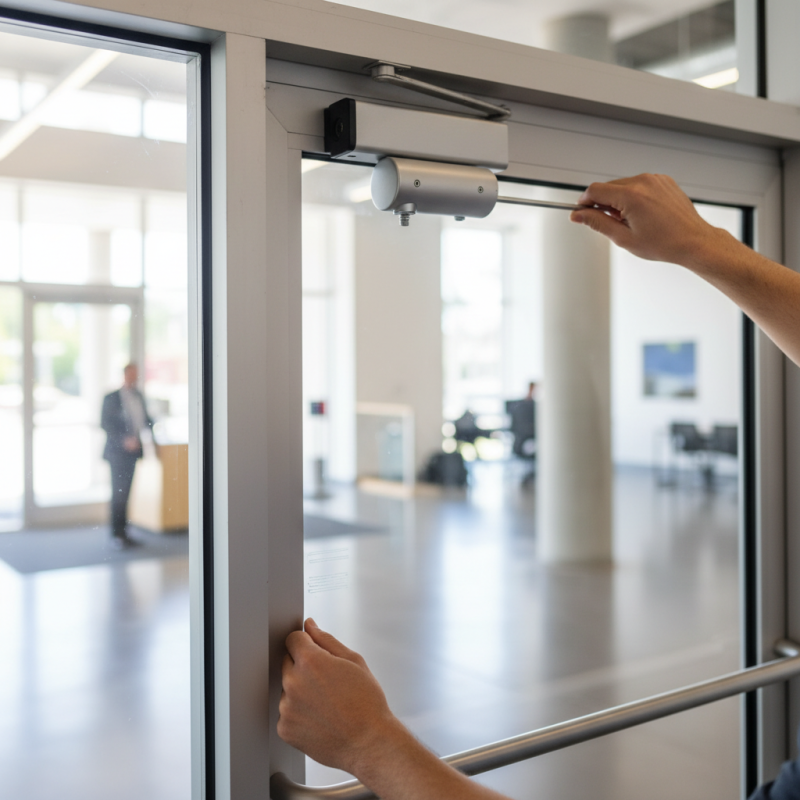
Door closers play a crucial role in the functionality of any door. They help control the speed and force with which a door closes. Understanding how they work can enhance their effectiveness. A door closer consists of a hydraulic mechanism that slows the closing motion, preventing slamming and ensuring safety. The key components include a spring, hydraulic fluid, and a linkage system. Each element needs to be in good condition for smooth operation.

Adjusting a door closer can seem daunting at first. Many people fail to notice when the adjustments are needed. If a door slams often, it may require tuning. Simple tools like a screwdriver can help you modify settings. Look for the adjustment screws, typically labeled for speed and force. Fine-tuning these can lead to a noticeable difference in operation quality. It's important to test the door after each small adjustment. This process can be time-consuming, but it’s often worth the effort.

Many users overlook the need for regular maintenance. Dust and debris can build up around the door closer, affecting its performance. Cleaning the mechanism can improve response times. However, improper adjustments can lead to more significant problems, such as binding or excessive wear. Always proceed with caution and observe how small changes impact functionality. Keeping a door closer in prime condition requires awareness and patience. The balance between effectiveness and wear demands constant attention.

Identifying Common Issues in Door Closer Operation

When dealing with door closers, identifying common issues is crucial for smooth operation. A poorly adjusted door closer can lead to operational difficulties. According to industry reports, up to 40% of door closers may encounter problems related to improper tension settings or installation errors. This can lead to doors slamming shut or not closing fully.


One frequent issue is the door not closing completely, which is often due to insufficient closing force. In a study by the Door and Hardware Institute, it was found that many users fail to regularly check their door closer settings. This lack of maintenance can result in increased wear and tear on components, leading to costly repairs. Signs of wear, such as leaks in the hydraulic fluid, should not be ignored. Without proactive adjustments, users may find themselves repeatedly experiencing the same issues.


Another common problem is the door slamming shut. This often occurs when the closing speed is set too fast. Data shows that incidents of door damage and personal injury often originate from this issue. Users need to adjust the closing speed and latching speed settings to mitigate potential accidents. Regular inspections are vital, as they help ensure that door closers function properly. Neglecting these checks can complicate simple operations.

Step-by-Step Guide to Adjusting Spring Tension on Door Closers

Adjusting a door closer is crucial for ensuring smooth operation. Spring tension directly affects how a door opens and closes. Most experts recommend that the tension be neither too loose nor too tight. Studies show that improperly adjusted door closers can lead to premature wear and malfunction, costing businesses significant amounts in repairs.

To adjust spring tension, first, locate the adjustment screw on the closer. Typically, turning the screw clockwise increases tension, making the door close faster. Conversely, counterclockwise decreases tension. The ideal tension allows the door to close securely without slamming. According to industry guidelines, doors should close fully within 3 to 5 seconds from a 90-degree angle.

When adjusting the tension, consider the weight and material of your door. Heavier doors will require more tension. It’s essential to test the door after each adjustment. A common tip is to check the door’s alignment as well. Misalignment can create additional stress on the closer. Monitoring these factors can extend the life of your door closer and enhance security.

Fine-Tuning the Closing Speed for Optimal Performance

Adjusting a door closer can significantly enhance your space's functionality. Fine-tuning the closing speed is essential for optimal performance. A door that closes too fast can slam, causing damage. Conversely, a slow door may keep people waiting. Striking the right balance is key.

One effective tip is to observe the door's movement. If the door bangs shut, slow it down. Adjust the speed dial, usually located on the closer. Each small turn can create a marked difference. Test the door after each adjustment. Sometimes, it takes a few tries to achieve the perfect speed.

Pay attention to the environment as well. Humidity or temperature changes might affect the door closer’s performance. These natural elements can influence the material and functionality of the door. Adjust accordingly to maintain a smooth operation throughout different seasons. Remember, patience is vital. Finding the right setting may require several rounds of adjustments.

Ensuring Proper Alignment and Installation for Smooth Operation

To ensure proper alignment and installation of a door closer, start by checking the frame. A misaligned frame can lead to issues. Use a level to confirm both the horizontal and vertical positions. If adjustments are needed, this is a crucial first step. Carefully measure the distance from the floor to the top of the door. This will help ensure the closer operates smoothly.

Next, consider the door itself. Inspect the hinges for any wear or damage. Tighten loose screws, as they can affect performance. A properly mounted closer should allow the door to swing freely. Adjust the tension to suit the weight of the door. If the door slams shut or doesn’t close fully, it might need recalibration.

Many people overlook the importance of routine checks. Dust and debris can collect in the closer mechanism, causing problems over time. Regular cleaning can prevent future complications. If the door doesn't operate as intended, don't hesitate to revisit your installation. Sometimes, a small tweak can yield significant improvements in functionality. Adjusting a door closer takes patience and practice.

How to Adjust a Door Closer for Smooth Operation Tips?

Adjustment Type Recommended Level Description Tools Needed
Backcheck Medium Controls the speed of the door during the last few inches of closing. Screwdriver
Closing Speed Slow Regulates how fast the door closes to prevent slamming. Screwdriver
Latching Speed Fast Adjusts the speed just before the door latches. Screwdriver
Hold Open Adjustable Allows door to remain open at a set angle. Allen Wrench
Hydraulic Fluid Full Ensure there is sufficient fluid for proper operation. None

FAQS

: Why is adjusting the spring tension on a door closer important?

: Proper adjustment ensures smooth operation. It prevents premature wear and malfunction.

How do I adjust the spring tension?

Locate the adjustment screw. Turn it clockwise to increase tension and counterclockwise to decrease it.

What is the ideal closing time for a door?

Doors should close fully within 3 to 5 seconds from a 90-degree angle.

How does door weight affect tension adjustments?

Heavier doors require more tension. Adjust accordingly for smooth operation and security.

What should I do if the door slams when closing?

Slow down the closing speed using the speed dial. Small adjustments can make a big difference.

How can environmental factors affect door closers?

Humidity and temperature can influence performance. Adjust settings based on seasonal changes.

What should I check for proper alignment?

Inspect the frame for levelness. Misalignment can lead to operational issues.

How can I maintain my door closer’s functionality?

Regularly clean the mechanism to prevent dust buildup. Routine checks can help avoid complications.

What if my door still doesn’t operate correctly after adjustments?

Revisit the installation. Sometimes, small tweaks lead to significant performance improvements.

Is adjusting a door closer easy?

It takes patience and practice. Achieving the right settings may require numerous adjustments.

Conclusion

In the article "How to Adjust a Door Closer for Smooth Operation," readers are guided through the essentials of door closers, including their basic functionality and common issues that can arise during operation. Understanding these fundamentals is crucial for anyone looking to maintain or improve the performance of their door closer.

The article presents a comprehensive step-by-step guide on how to adjust a door closer for smooth operation. It covers crucial adjustments such as spring tension and closing speed, ensuring that the door operates efficiently and reliably. Additionally, proper alignment and installation tips are provided to further enhance performance, making it easier for homeowners and professionals alike to achieve a smoothly functioning door system.

Amelia

Amelia

Amelia is a seasoned marketing professional with a wealth of expertise in our company’s core offerings. With an unwavering passion for driving growth and innovation, she plays a pivotal role in shaping our marketing strategies and enhancing brand visibility. A key aspect of her responsibilities......