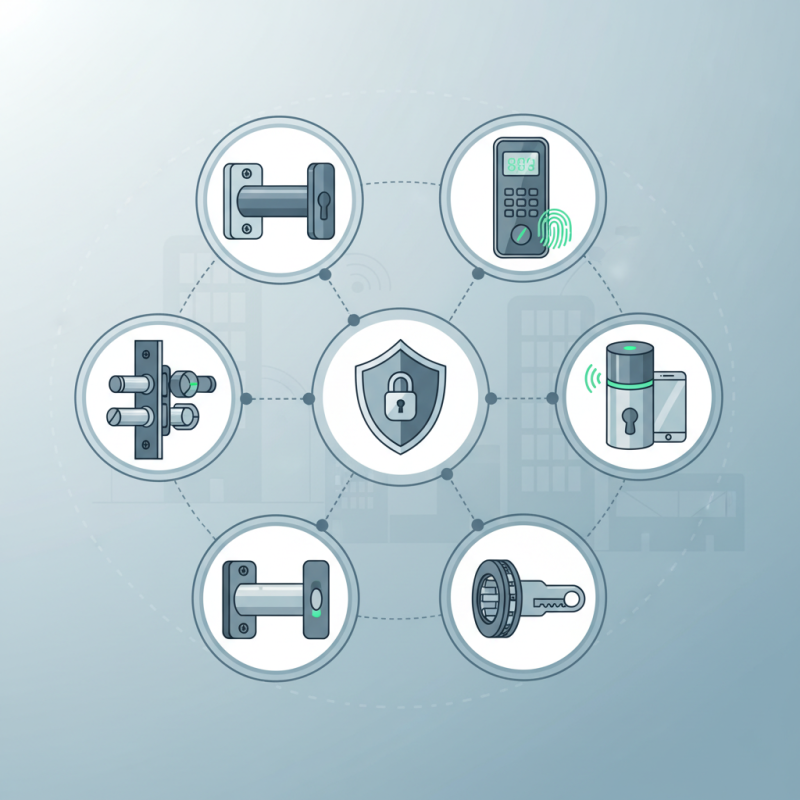
When considering security for buildings, it’s critical to understand what are the types of door locks used in buildings. The right lock not only protects your property but also ensures peace of mind for occupants. Different locks offer various levels of security, ease of use, and installation processes.
For example, some may find deadbolts offer robust security features, while others might prefer keyless entry systems for convenience. Knowing the strengths and weaknesses of each type is essential. Many don’t realize that an insecure lock can undermine even the best security systems.
This guide explores the best types of door locks for building security in 2026. By examining available options, we can help you make informed decisions. Each lock type has its place, but careful consideration is necessary to choose the best fit for your needs. Let's dig into the options to elevate your building's safety.
Types of Door Locks: A Comprehensive Overview for Security Needs
When it comes to building security, selecting the right door lock is crucial. A comprehensive overview of door locks reveals various types catering to diverse security needs. Deadbolts are widely recognized for their strength and resistance to forced entry. According to security experts, deadbolts can reduce break-in occurrences by up to 81%. This makes them a popular choice for residential properties.
Smart locks have gained traction recently. They offer keyless entry and can be controlled remotely via smartphones. A report by the Electronic Security Association indicates that smart locks can enhance security by allowing users to monitor and manage access in real-time. However, they also raise concerns about security vulnerabilities associated with internet connectivity. Proper installation and regular updates are essential for mitigating these risks.
Another option is the keypad lock. These locks eliminate the need for physical keys, reducing the risk of lost or stolen keys. Yet, they can also be susceptible to hacking or simply forgetting the code. While providing convenience, users must ensure they choose strong combinations. An ongoing debate exists regarding the balance between convenience and security in door lock options. Each type has its pros and cons, underscoring the need for thorough consideration of individual security requirements.
Assessing Lock Security Ratings: Understanding ANSI/BHMA Standards
When it comes to building security, understanding lock security ratings is crucial. The American National Standards Institute (ANSI) and Builders Hardware Manufacturers Association (BHMA) set standards for the security of door locks. These organizations evaluate locks based on their resistance to various forms of attack. A lock rated by ANSI/BHMA offers insight into its durability and security features.
For instance, a Grade 1 rating signifies high security, while Grade 3 indicates standard residential use. Each grade provides specific tests that a lock must pass. These tests include resistance to picking, drilling, and other forms of tampering. Checking these ratings helps builders and homeowners make informed decisions about which locks to install. It's essential to consider the vulnerabilities of the specific environment when choosing a lock.
However, no lock is perfect. Even high-rated locks may have weaknesses. Environmental factors, such as weather conditions, can affect their performance. Regular maintenance and evaluation of the locks are often overlooked. This can lead to false security perceptions. Keeping up with the latest security innovations is key. Understanding these ratings is the first step toward enhancing your security measures effectively.
2026 Best Types of Door Locks for Building Security
| Lock Type |
Security Rating |
Recommended Use |
Price Range |
| Deadbolt Lock |
Grade 1 |
Exterior Doors |
$50 - $150 |
| Smart Lock |
Grade 2 |
Interior/Exterior |
$120 - $300 |
| Knob Lock |
Grade 3 |
Interior Doors |
$20 - $60 |
| Digital Lock |
Grade 2 |
Residential/Commercial |
$100 - $250 |
| Mortise Lock |
Grade 1 |
Commercial Buildings |
$150 - $500 |
Smart Locks vs. Traditional Locks: Pros and Cons for Modern Security
Smart locks and traditional locks have distinct advantages and disadvantages in today's security landscape. According to a recent report by the Security Industry Association, about 60% of consumers prefer smart locks for their remote access capabilities. Smart locks can be controlled via smartphone apps, allowing users to lock and unlock doors from anywhere. This feature offers convenience, especially for families with varied schedules. However, the reliance on technology raises concerns. If Wi-Fi is disrupted, access may be denied.
On the other hand, traditional locks are simple and reliable. They do not rely on batteries or connectivity. A 2022 survey from the National Institute of Standards and Technology showed that even with advances in smart technology, 40% of homeowners still favor mechanical locks for their reliability. Traditional locks are often more cost-effective, yet they can be vulnerable to techniques like lock picking.
In reflecting on these options, it’s clear that both types have their place in security. Smart locks offer modern features but may not be suitable in every context due to their complexity. Traditional locks provide simplicity, yet may lack advanced security features that are becoming increasingly relevant today. Choosing the best lock for building security may require weighing these pros and cons carefully.
Top 2026 Trends in Door Lock Technology and Innovations
As we look to 2026, door lock technology is evolving rapidly, shaping the future of building security.
Smart locks lead the charge, integrating with home automation systems. According to a recent security report,
82% of homeowners are interested in adopting smart locks for enhanced control and monitoring.
These locks often feature remote access capabilities and mobile notifications, allowing users to manage entries from anywhere.
Biometric locks are gaining traction too. With fingerprint scanning and facial recognition, they offer
a unique layer of security. A study indicates that biometric systems can reduce unauthorized access by up to
70%. However, reliance on technology creates vulnerabilities. Cyberattacks on smart lock protocols have raised
concerns about data security.
Keyless entry systems are becoming mainstream. Yet, their convenience can backfire if proper security measures are not in place.
Reports show a 30% increase in hacks involving keyless systems. Addressing these weaknesses is essential as technology
advances, ensuring that convenience does not compromise security. Staying informed about trends and innovations is crucial for
effective building security in the coming years.
Best Practices for Choosing a Door Lock for Enhanced Property Security
Choosing the right door lock is crucial for enhancing property security. A report from the Security Industry Association reveals that 40% of burglaries occur through unlocked doors. Therefore, selecting a dependable lock can greatly decrease the risk of unauthorized access.
When evaluating door locks, consider the lock's grade. The American National Standards Institute (ANSI) ranks locks from Grade 1 to Grade 3. Grade 1 locks offer the highest level of security and are ideal for exterior doors. However, they may be overkill for interior doors that experience less traffic. Homeowners often overlook this distinction, leading to potential over-spending on unnecessary features.
Additionally, features like smart locks are gaining popularity. They can be controlled via smartphone apps, adding convenience. However, many users face challenges with battery management and connectivity issues. Regularly updating firmware is essential for security, yet many ignore this step. It's essential to balance convenience with security needs when selecting a door lock.
2026 Best Types of Door Locks for Building Security
This chart displays the effectiveness of various types of door locks based on their security ratings and ease of use. The data is derived from expert reviews and security assessments.
FAQS
: Deadbolts are known for their strength. They resist forced entry well. They can reduce break-ins significantly.
Smart locks offer keyless entry and remote access. Users can monitor entries in real-time. Proper updates are needed.
They may have security vulnerabilities. Internet connectivity can expose users to hackers. Regular installation checks are crucial.
They eliminate the need for physical keys. Users can avoid losing keys. But forgetting the code can create hassle.
Biometric locks use fingerprint or facial recognition. They provide a unique layer of security. However, technology can fail at times.
Convenience is high but can lead to hacks. Reports show incidents increasing. Strong security measures are essential to prevent breaches.
Choose a lock suited to your needs. Consider installation quality and updates. Reflect on potential vulnerabilities regularly.
Smart locks and biometric systems are trending. They integrate with home automation. Staying updated is essential for safety.
Think about your security needs. Evaluate convenience versus potential risks. Each lock type has its strengths and weaknesses.
While useful, technology can introduce new vulnerabilities. Regular assessments are necessary to maintain a secure environment.
Conclusion
In the quest for enhanced building security, understanding what are the types of door locks used in buildings is crucial. This comprehensive overview explores various lock types, including deadbolts, smart locks, and electronic keypad systems. Additionally, it delves into assessing lock security ratings through ANSI/BHMA standards, ensuring that property owners make informed decisions based on the level of protection required.
The article also compares smart locks and traditional locks, weighing their pros and cons within modern security frameworks. Furthermore, it highlights the top trends for 2026 in door lock technology and innovation, emphasizing the importance of staying updated with advancements in security mechanisms. Finally, it provides best practices for selecting the most effective door lock to bolster safety and protect property against unauthorized access.

 MX Lock