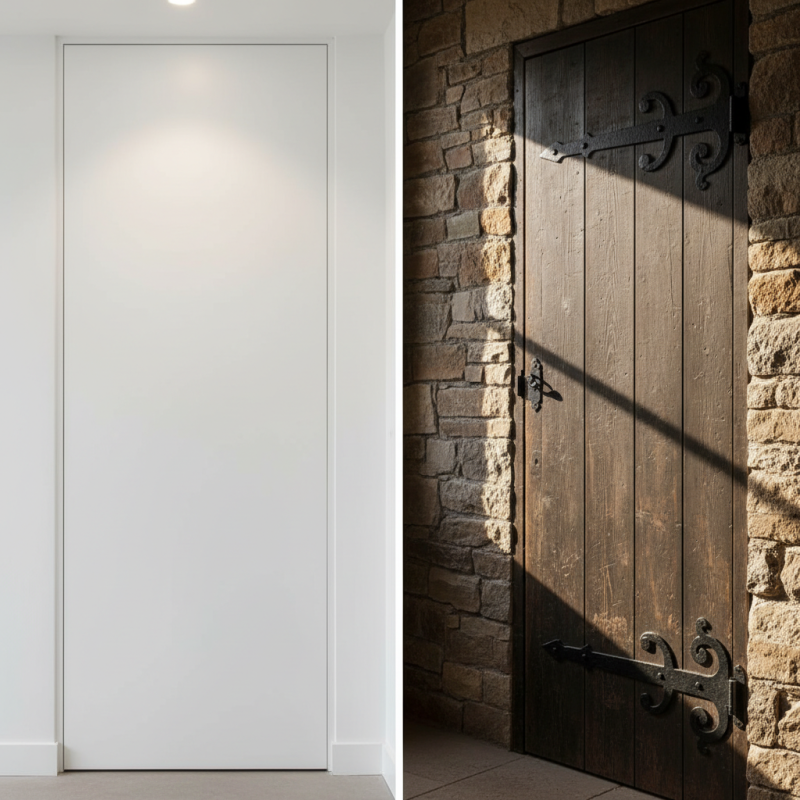
When choosing hinges, it’s essential to understand the differences. Homeowners often ask, "What is the difference between concealed and exposed hinges?" This question is crucial for making informed decisions. Concealed hinges remain hidden when doors are closed, offering a sleek and modern look. They are perfect for contemporary designs and minimalist aesthetics.
On the other hand, exposed hinges are visible when the door is shut. They can add character and a vintage flair to traditional spaces. Their designs can vary significantly, allowing for personalization. However, the choice between these two types of hinges can depend on factors like functionality, style, and personal preference.
Many people overlook key differences. Not everyone considers how hinges affect door performance. The right hinges influence durability and ease of use. Reflecting on these options is essential. A thoughtful choice can enhance your space, and understanding their features is vital.
Understanding Concealed Hinges: Definition and Features
Concealed hinges are becoming increasingly popular in modern architecture. These hinges are not visible from the outside when the door is closed. Their design allows for a cleaner aesthetic, which is particularly appealing in kitchen and bathroom applications. According to a recent report from the National Kitchen and Bath Association, over 70% of homeowners prefer concealed hinges for their sleek appearance.
These hinges often feature adjustable settings. Users can fine-tune the alignment after installation. This flexibility helps maintain a seamless look, even in older homes where alignment can be tricky. Concealed hinges also offer durability. They typically have a higher load capacity compared to exposed hinges. The average lifespan of concealed hinges can exceed 50,000 cycles, making them a reliable choice for heavy-use doors.
However, there are a few considerations. Installation of concealed hinges can be more complex. Proper tools and skills are required. Not every DIY enthusiast may find this easy. Additionally, if repair is needed, accessing concealed hinges is not as straightforward. This aspect can be a drawback, especially for those who prefer easy maintenance. Don’t overlook these details when choosing hinges for your next project.
Exploring Exposed Hinges: Characteristics and Applications
Exposed hinges are widely used in various applications due to their unique characteristics. Unlike concealed hinges, which hide within the door or cabinet, exposed hinges are visible and often serve as a design element. They come in various finishes and styles, making them suitable for both traditional and modern aesthetics.
One key characteristic of exposed hinges is their durability. They are made from sturdy materials, ensuring a long lifespan. This can be advantageous in high-traffic areas, where wear and tear is more common. Maintenance is also straightforward; a quick wipe can keep them looking new. However, exposed hinges may require more frequent cleaning as dust and grime are more visible.
When considering exposed hinges for your project, remember these tips: Choose the right finish to complement your decor. Assess the weight of your door; heavier doors may need stronger hinges. Watch for alignment issues, as a misaligned hinge can lead to quicker wear. Using the right tools during installation can prevent future problems.
Exposed hinges also provide ease of replacement. If one hinge wears out, it can be swapped without affecting the surrounding structure. Yet, this accessibility can be a double-edged sword; exposed hinges may be more susceptible to tampering or accidental damage. Balancing aesthetics with security is essential for optimal functionality.
Key Differences in Aesthetics: Concealed vs Exposed Hinges
When comparing concealed and exposed hinges, aesthetics play a crucial role in design choices.
Concealed hinges are often preferred for their sleek, minimal appearance. They sit inside the cabinet, hiding the hardware from view. This creates a smooth facade, especially important in modern kitchen designs. According to a recent industry report, over 60% of homeowners prioritize aesthetic appeal when selecting cabinet hardware.
Exposed hinges, on the other hand, deliver a more traditional or industrial look. Their visibility can complement rustic or vintage styles, providing a distinct character to furniture.
However, they can also detract from a clean design, revealing mechanical elements that some may find unsightly. Data from architectural studies suggest that about 40% of designers believe the choice of hinge type significantly impacts the overall design integrity of a space.
While both hinge types serve practical purposes, their visual impact is notable. Concealed hinges often offer a seamless look, but they may require precise alignment for proper function. Exposed hinges can be easier to install but may need regular maintenance to keep them looking appealing. Balancing functionality and aesthetics is essential, and the choice between them often reflects personal style and practical needs.
Functional Differences: Performance and Durability Considerations
When it comes to hinges, the functional differences between concealed and exposed hinges are significant. Concealed hinges are hidden when the door is closed, offering a sleek appearance. They are often preferred in modern designs. However, this aesthetic can sometimes compromise accessibility for repairs. If you need to replace a concealed hinge, proper alignment and installation expertise are crucial. Malalignment could lead to performance issues over time.
Exposed hinges, on the other hand, pop out visually. They are easier to maintain and replace. If a hinge fails, you can quickly spot and address the issue. However, they can be subject to wear and corrosion more quickly due to their exposure to elements. The durability of exposed hinges may vary based on material quality. Choosing the right type for your application involves weighing these factors carefully.
In practical use, consider the environment. In humid areas, corrosion can affect both types. Concealed hinges may require special care to prolong their lifespan. Exposed hinges might need regular checks to ensure they remain functional. Ultimately, understanding these nuances can help you make informed choices for your door hardware.
Concealed vs Exposed Hinges: 5 Key Differences You Need to Know
| Feature |
Concealed Hinges |
Exposed Hinges |
| Visibility |
Hidden from view when door is closed |
Visible from both sides of the door |
| Aesthetic Appeal |
Sleek and modern look |
Traditional and robust appearance |
| Installation Complexity |
More complex; requires precision mortising |
Easier to install; surface-mounted |
| Durability |
Often more durable due to protected structure |
May be exposed to elements, which could affect longevity |
| Maintenance |
Less visible wear and tear |
Visible wear may require more frequent maintenance |
Cost Implications: Comparing Hidden and Visible Hinges
When considering concealed versus exposed hinges, cost implications play a crucial role. Hidden hinges often come with a higher price tag due to their complex design and installation requirements. These hinges are designed to provide a sleek, seamless appearance, which might appeal to modern aesthetics. However, their initial investment could be a barrier for some homeowners.
Exposed hinges, on the other hand, tend to be cost-effective, making them accessible for budget-conscious projects. While they do provide a functional look, they may lack the refined appearance that many seek. The installation process is usually simpler, reducing labor costs.
Tips: Always measure your door frames accurately before making a purchase. This small step helps avoid costly mistakes during installation. Consider the long-term value of hidden hinges. They can enhance your property's appeal, potentially increasing resale value. Weigh the pros and cons carefully. A hinge might seem simple, but its choice can significantly impact your renovation budget.
FAQS
: Exposed hinges are visible hinges that can serve as a design element. They come in various finishes and styles.
Their durability is a key advantage. They are made from sturdy materials suitable for high-traffic areas.
Unlike concealed hinges, exposed hinges are visible and often contribute to decorative appeal.
They require straightforward maintenance, like a quick wipe. However, they may need frequent cleaning due to visible dust.
Consider the door's weight and choose a fitting finish to match your decor. Alignment is also crucial to avoid wear.
Yes, they can be easily swapped if one wears out, but they are also more prone to tampering and damage.
Their complex design and installation requirements make them costlier. This appeals to those seeking a refined appearance.
Not measuring door frames accurately can lead to installation errors and unexpected expenses.
Exposed hinges are more budget-friendly and simpler to install, making them a good choice for cost-conscious projects.
Consider the balance between aesthetics and functionality. A hinge choice impacts both design and renovation budget significantly.
Conclusion
Concealed and exposed hinges serve critical roles in various applications, yet they differ significantly in design and functionality. Understanding concealed hinges involves recognizing their hidden nature, which allows for a sleek, uninterrupted appearance on doors and cabinets. In contrast, exposed hinges are visible, contributing to a more traditional aesthetic while providing ease of access and maintenance.
When considering what is the difference between concealed and exposed hinges, one must evaluate their aesthetic appeal, functional performance, and cost implications. Concealed hinges offer a modern look and are praised for their durability and smooth operation, while exposed hinges often come at a lower cost and can be more robust in certain situations. Ultimately, the choice between these two types hinges depends on the specific needs of a project, considering both style and functionality.

 MX Lock