Choosing a secure door lock in 2026 requires more than comparing prices or advertising claims. A lock may look strong, yet its cylinder, strike plate, or installation can remain weak. The better question is, what makes a door lock secure? The answer includes resistance to forced entry, reliable internal parts, controlled key duplication, and correct fitting. Independent testing matters. Look for recognized certification, such as current ANSI/BHMA or EN ratings, and verify requirements in your region. These labels do not make every product perfect.
Smart locks add convenience, but they also introduce software and power concerns. Examine encryption information, update support, access logs, and the method used to recover a locked device. A strong deadbolt still needs a reinforced frame. A bright keypad means little if its batteries fail during a winter night. Keep a trusted backup method.
Practical inspection often reveals more than a product page. Check whether the screws reach the wall stud, whether the door closes tightly, and whether the key turns without grinding. Ask a qualified locksmith to assess unusual doors or shared entrances. No lock is perfect. Even experts can overlook convenience, privacy, or emergency access during selection. That is worth reconsidering.
This guide will compare mechanical, electronic, and smart locking options for homes and small businesses. It will focus on tested protection, everyday reliability, maintenance, and responsible installation. The goal is not to find the most expensive lock. It is to choose a balanced system that remains dependable when the lights go out, the phone is unavailable, or the door receives daily use.
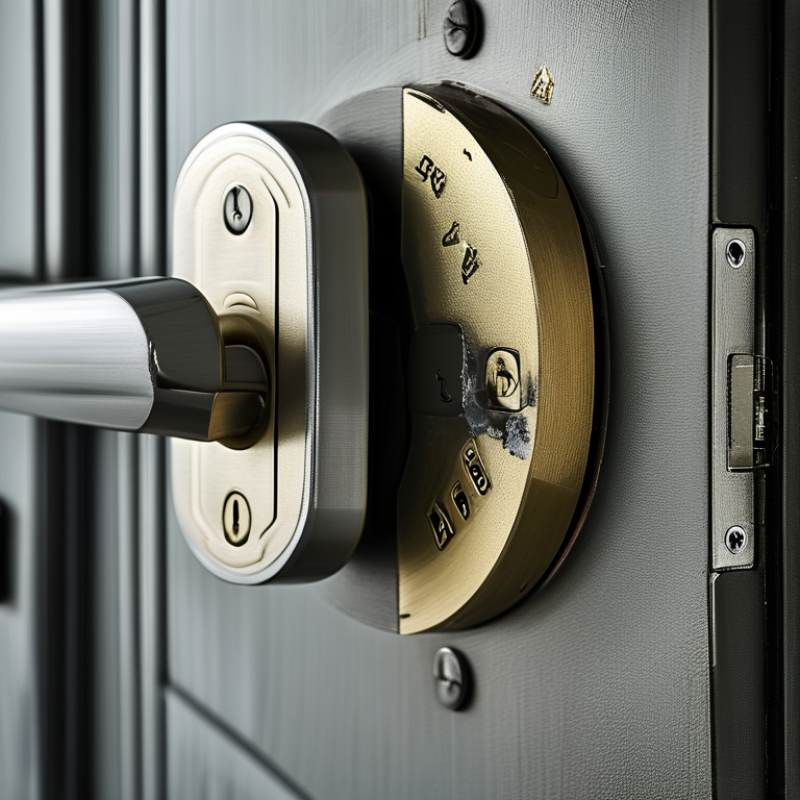
When choosing a secure door lock in 2026, assess the door before comparing features. Start with its material, thickness, frame strength, hinge placement, and existing strike plate. Measure everything. A strong lock cannot compensate for a split frame or loose screws.
The FBI Crime Data Explorer estimated 847,522 burglary offenses in the United States during 2023. That figure supports careful planning, but it cannot predict your street’s exact risk. Check local crime reports, building access, lighting, and emergency response times. An apartment may need controlled entry and landlord approval. A detached home may need stronger protection around side and rear doors. Consider who uses the door daily, including children, older adults, and visitors.
Fire safety matters too. The National Fire Protection Association reported an average of 382,500 home structure fires annually from 2018 through 2022. A lock should allow quick exit without a key during an emergency. Look for independently tested hardware that meets recognized residential security standards. Check whether the lock fits your door and frame correctly. The easy mistake is focusing only on the cylinder. I would also inspect the strike screws and frame alignment. Test the door at night. Test it again when the weather changes. A secure lock that sticks is not a reliable lock.
| Door and Use Case | Typical Location | Security Exposure | Recommended Lock Configuration | Essential Features to Check | Suggested Security Level | Upgrade Triggers |
|---|---|---|---|---|---|---|
| Main exterior entry door | Front, side, or rear entrance of a house | Frequent access, weather exposure, and visibility from public areas | Single-cylinder deadbolt paired with a separate latch or multipoint locking system, depending on the door design | Solid construction, protected strike area, long structural fasteners, anti-drill protection, corrosion-resistant finish, and a secure thumb-turn on the interior | High | Loose door frame, short mounting screws, visible cylinder damage, glass close to the lock, or a door that does not close firmly |
| Apartment or condominium entry | Unit entrance opening into a shared corridor | Shared building access, possible restrictions on hardware changes, and limited control over common areas | Deadbolt or compliant mortise lock that matches building rules and emergency-egress requirements | Test compatibility with the existing door, confirm that the lock can be installed without damaging fire-rated assemblies, and use a lock with a protected cylinder | High | Building management requires a specific key system, the door is fire-rated, or the lock interferes with self-closing or emergency exit functions |
| Detached garage or workshop | Exterior door with tools, equipment, or vehicles nearby | Often less visible than the main entrance and may provide access to valuable property | Deadbolt with reinforced strike area; consider a door-position sensor or monitored alarm for additional awareness | Weather resistance, protected hinges, reinforced frame, resistance to forced prying, and reliable operation after temperature changes | High | Garage connects directly to the home, contains fuel or high-value equipment, or has windows that allow the lock to be reached from outside |
| Back door or concealed side entrance | Areas hidden by fences, landscaping, or neighboring structures | Reduced visibility can increase the time available for attempted forced entry | High-security deadbolt or multipoint lock with reinforced door-frame hardware | Strong strike plate, reinforced jamb, security glazing where applicable, tamper-resistant exterior components, and dependable lighting | High | The entrance is hidden from neighbors, lacks lighting, has a weak wooden frame, or has a nearby window that can be broken |
| Interior bedroom or home-office door | Inside a residence, used for privacy or protection of documents and devices | Usually lower exposure to forced entry, but contents may have personal or financial value | Privacy lock for ordinary privacy; keyed lock or restricted-access lock when stronger access control is needed | Emergency release method, smooth operation, clear occupant awareness, and compliance with local fire and egress requirements | Medium | The room stores sensitive records, medication, valuables, or equipment, or the door is used to separate children or pets from hazards |
| Rental property or frequently changing occupancy | Residential or short-term rental unit | Former occupants, contractors, and guests may retain unauthorized keys | Rekeyable mechanical cylinder or access-controlled electronic lock that allows credentials to be revoked or changed | Simple credential management, audit capability where appropriate, emergency access plan, battery warning, and a mechanical backup method | High | Keys are not tracked, tenants change often, access codes are shared, or the lock has no reliable recovery method when power or batteries fail |
| Smart-lock retrofit | Existing residential door where remote control or temporary access is desired | Cybersecurity, account compromise, battery depletion, and incorrect installation can add new failure points | Electronic lock installed over or in place of a compatible deadbolt, while retaining a dependable physical access method | Unique account password, multi-factor authentication when available, encrypted communication, security updates, activity notifications, and low-battery alerts | High | The door or cylinder is incompatible, the device no longer receives security updates, remote access cannot be disabled, or there is no offline entry plan |
| Exterior gate or low-security storage shed | Garden gate, utility enclosure, or shed with limited-value contents | Weather, corrosion, opportunistic access, and limited structural strength | Weather-resistant padlock-and-hasp system or a suitable gate lock matched to the gate frame | Drainage, corrosion resistance, protected shackle where possible, strong attachment points, and a gate that cannot be lifted from its hinges | Medium | The area stores fuel, power tools, bicycles, chemicals, or provides a route toward the home |
| Commercial office or small business entrance | Customer-facing entrance, staff entrance, or internal restricted room | Multiple users, employee turnover, business-hours access, and possible requirements for emergency exit | Commercial-grade mortise, cylindrical, or access-control lock selected for the door and occupancy type | Credential removal, access schedules, exit hardware compliance, durable cycle rating, audit records where required, and a documented lost-key process | High | Staff numbers increase, access is shared informally, keys cannot be revoked, or the lock conflicts with fire, accessibility, or emergency-egress rules |
| High-risk or remote property | Rural home, isolated building, or property with delayed emergency response | Low natural surveillance, longer response times, weather extremes, and limited on-site support | Reinforced exterior door with a high-security deadbolt or multipoint system, perimeter lighting, and monitored detection where practical | Strong frame-to-wall connection, protected hinges, weather-rated components, backup power or mechanical entry, and tested communications coverage | High | No nearby occupants can verify an alarm, communications are unreliable, the door frame is lightweight, or access credentials cannot be changed quickly |
Selection note: A strong lock cannot compensate for a weak door, frame, hinges, nearby glass, or poor access control. Before installation, verify local fire, accessibility, landlord, insurance, and emergency-egress requirements.
Check the door material, thickness, frame strength, hinges, and strike plate. Measure every part. A strong lock cannot fix a cracked frame or loose screws. Test the door for alignment before comparing features.
Review local crime reports, lighting, building access, and emergency response times. Side and rear doors may need extra attention. Apartments may require controlled entry and landlord approval. Your household routine matters too.
Choose a lock that opens quickly from inside without a key. Fire safety must remain practical. Test the exit route with children and older adults. A secure door should not become a dangerous barrier.
Look for encryption during storage and transmission. Check where access logs are kept. Clear deletion controls are important. If data retention seems unclear, pause before buying.
Give each person a unique credential. Use separate permissions for residents, cleaners, and temporary guests. Set automatic expiration dates when possible. Shared codes weaken accountability.
Test the lock with the internet disconnected. A keypad, physical key, or local control can prevent lockouts. Notifications may arrive late. Do not treat them as guaranteed protection.
Check battery warnings before installation. Replace batteries before they reach zero. Cold mornings can reduce battery life quickly. Keep a charged backup power source nearby, if supported.
Test it at night and during changing weather. Check whether the door sticks, rubs, or fails to latch. Inspect strike screws and frame alignment. I once ignored a warning and faced an avoidable lockout. That mistake still affects my testing.
Choosing a secure door lock in 2026 begins with understanding your door, building type, location, and personal security needs. Consider whether the door is made of wood, metal, or another material, and check its thickness, frame strength, and existing hardware. Compare mechanical, electronic, and smart locks according to your priorities, such as simplicity, convenience, remote access, or resistance to tampering. A strong choice should include reliable locking components, durable materials, suitable security ratings, and protective features such as anti-picking, anti-drilling, or forced-entry resistance. Asking what makes a door lock secure can help you focus on both design quality and real-world performance rather than appearance alone.
For smart locks, review privacy policies, data protection, user permissions, activity logs, backup entry methods, and battery requirements. Make sure the lock is compatible with your door and any connected systems before purchasing. Professional installation or careful fitting is essential because even a high-quality lock can perform poorly if the door or frame is misaligned. Finally, plan for routine maintenance, firmware updates when applicable, battery replacement, and periodic inspections to preserve dependable security over time.

 MX Lock