What is the role of door closers in fire safety?

Time:2026-06-04 Author:Sienna
0%

The significance of door closers in fire safety cannot be overstated. In buildings, they play a crucial role. Properly functioning door closers help maintain the integrity of fire-rated doors. These doors are essential for containing smoke and flames during a fire. They prevent the spread of fire to other areas, protecting lives and property.

What is the role of door closers in fire safety? They ensure that doors close automatically after being opened. This automatic closure helps seal off areas that could allow fire and smoke to travel. In many emergencies, seconds can make all the difference. A malfunctioning door closer can lead to disastrous outcomes.

Understanding the mechanics behind door closers is important. Regular maintenance is often neglected. Without it, door closers may fail when needed most. This oversight highlights the need for awareness and action. Fire safety practices should always include regular checks of door closers. They are more than just hinges; they are vital components of a comprehensive fire safety strategy.
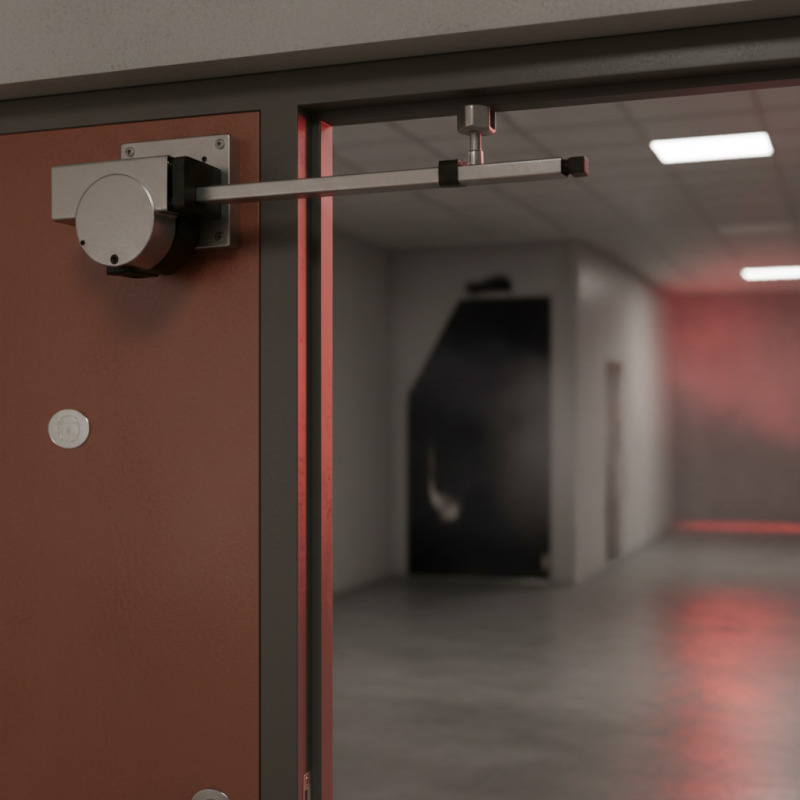
What is the role of door closers in fire safety?

The function of door closers in fire safety mechanisms

Door closers play a crucial role in fire safety mechanisms. They ensure that doors automatically shut after being opened. This action is vital during a fire, as closed doors help contain smoke and flames. When a door is left open, fire can spread more quickly, posing greater risks. A properly functioning door closer can significantly mitigate this danger.


The effectiveness of door closers hinges on their maintenance and installation. If they are not adjusted correctly, doors may not close fully. This oversight can create vulnerabilities in a fire protection system. Regular checks are essential. Inspecting the strength and responsiveness of the closer can prevent potential failures. Local fire codes often mandate this maintenance, underscoring its importance.


Moreover, door closers should work seamlessly with other safety features, like alarms and smoke detectors. They must be reliable under pressure. In emergency situations, hesitation could lead to chaos. Yet, not all systems are foolproof. Those charged with fire safety must reflect on the limitations of their equipment constantly.

How door closers prevent smoke and fire spread during emergencies

Door closers play a vital role in enhancing fire safety. They ensure that doors remain securely closed during a fire, preventing smoke and heat from spreading. According to the National Fire Protection Association (NFPA), 80% of fire-related deaths occur due to smoke inhalation. An effective door closer can significantly reduce this risk.

When doors close automatically, they create a barrier that limits the flow of smoke. This containment can give occupants crucial extra minutes to escape. Research shows that every minute counts during a fire incident. A well-maintained door system can slow down the fire’s progress, allowing emergency services more time to respond. However, if the door closers malfunction or are improperly installed, their effectiveness is compromised. Regular inspections are necessary.

In many buildings, door closers are often overlooked in fire safety plans. Some installations lack proper maintenance, resulting in doors that do not close fully. Inadequate attention to these systems can lead to increased property damage and higher risks to life. Investing in quality door closers and understanding their function is essential for any safety-oriented facility.

Regulatory standards governing the use of door closers in fire safety

The use of door closers in fire safety is heavily influenced by regulatory standards. These standards ensure that fire doors close properly, preventing the spread of smoke and flames. The National Fire Protection Association (NFPA) emphasizes that properly installed door closers are essential to maintaining the integrity of fire-rated assemblies.

According to a 2020 report from the International Fire Safety Consortium, improper door closure is a leading cause of fire door failures. About 70% of inspected fire doors were found non-compliant with regulations. Such failures can lead to catastrophic results during a fire emergency. Proper maintenance and regular inspections are crucial. Fire safety standards not only dictate how door closers function but also specify types of hardware suitable for various environments.

Yet, compliance is not always optimal. Many facilities overlook the importance of routine checks. These lapses can result in dangerous situations. Ensuring that door closers meet all codes is a shared responsibility. Fire safety is not just about having the right hardware; it's about commitment to ongoing maintenance and learning from past oversights.

What is the role of door closers in fire safety? - Regulatory standards governing the use of door closers in fire safety

Regulatory Standard Description Importance in Fire Safety Testing Requirements
NFPA 80 Standard for Fire Doors and Other Opening Protectives Ensures doors close properly to contain fire and smoke Regular inspection and testing every 12 months
IBC 703 International Building Code for fire-resistant door assemblies Specifies required performance under fire conditions 3rd party testing required for compliance
UL 10C Standard for Positive Pressure Fire Tests of Door Assemblies Validates the effectiveness of the door hardware in a fire Must pass positive pressure fire tests
ADA Compliance Guidelines for accessibility of door closers Ensures doors can be used by individuals with disabilities Requires adherence to force and timing specifications

Types of door closers and their specific applications in fire-rated doors

Door closers play a critical role in fire safety, particularly in maintaining the integrity of fire-rated doors. These doors are designed to contain smoke and flames during a fire. Their effectiveness can significantly reduce the risk to life and property. Various types of door closers are applied based on specific needs and environments, each with unique mechanisms and functionalities.

Hydraulic door closers are commonly used in fire-rated doors. They ensure that doors close smoothly and securely after being opened. This type effectively reduces the chances of a fire spreading by sealing the door promptly. According to the National Fire Protection Association (NFPA), properly closed fire doors can prevent the spread of flames for up to 90 minutes. This delay is crucial for evacuation and can save lives.

Surface-mounted door closers are often installed in commercial buildings. These are ideal for heavy traffic areas, offering durability and reliability. However, it’s essential to regularly check their functionality. Reports show that many fire doors fail the inspection due to improper closing. Even a simple jammed closer can have devastating consequences in an emergency. Regular maintenance and compliance with fire safety codes are vital.

Role of Door Closers in Fire Safety

Maintenance practices for ensuring effective door closer performance

Door closers play a vital role in fire safety by ensuring that doors close securely. A well-functioning door closer can limit smoke and fire spread. Regular maintenance is essential for effective performance. Neglected door closers might fail when needed, compromising safety. It’s crucial to regularly check their settings and functionality.

Routine inspections should focus on the arm, spring, and mounting brackets. Signs of wear include difficulty closing or excessive noise. Lubrication is often forgotten but essential for smooth operation. Door close times should be adjusted according to fire codes. If a door swings open too quickly, it may not seal properly during a fire emergency.

It’s important to educate staff about door closer maintenance. Proper training can prevent costly mistakes. Users should report any issues immediately. Over time, the effectiveness of door closers may diminish. Regular checks help ensure they remain up to the task, protecting lives during emergencies. Maintaining these systems may feel tedious, but it minimizes potential risks significantly.

FAQS

: What is the role of door closers in fire safety?

: Door closers keep doors securely closed during a fire. This prevents smoke and heat from spreading.

How do door closers help during a fire emergency?

They create a barrier, giving occupants extra time to escape. Every minute is crucial when fire breaks out.

Why are door closers often neglected in safety plans?

Many facilities overlook their importance, leading to inadequate maintenance and doors that don’t close properly.

What happens if door closers malfunction?

Malfunctioning door closers compromise fire safety. This can increase the risk of smoke inhalation and property damage.

What do regulations say about door closers?

Regulations require door closers to function correctly to maintain fire-rated door systems. Compliance is critical.

How often should door closers be inspected?

Regular inspections are essential. Without them, door closers may fail, creating dangerous fire situations.

What percentage of fire doors fail inspections?

About 70% of inspected fire doors do not comply with safety regulations, according to recent reports.

Is investment in quality door closers necessary?

Absolutely. Quality door closers and proper maintenance are essential for effective fire safety systems.

What can poor maintenance lead to?

Poor maintenance can worsen fire risks and lead to greater property damage during emergencies.

How can facilities improve their fire safety measures?

By committing to regular maintenance and learning from past oversights in door closure systems.

Conclusion

Understanding "what is the role of door closers in fire safety" is crucial for maintaining safety in buildings during emergencies. Door closers serve as integral components of fire safety mechanisms, designed to ensure that fire-rated doors close automatically after being opened. This functionality is vital in preventing the spread of smoke and fire, thereby protecting escape routes and allowing occupants to evacuate safely.

Regulatory standards outline the requirements for door closers in fire safety, ensuring they meet specific criteria for effectiveness. Various types of door closers are utilized, tailored for fire-rated doors to enhance their performance under fire conditions. Regular maintenance practices are essential to ensure these devices operate effectively, ultimately contributing to the overall fire safety strategy in any given structure.

Sienna

Sienna

Sienna is a skilled marketing professional with a deep expertise in our company’s core products and services. With a passion for innovation and detail, she plays a pivotal role in crafting insightful blog posts that not only highlight the unique features of our offerings but also provide valuable......