Selecting the right hardware for high traffic doors can be a challenging task. Industry expert John Thompson, a leading consultant in commercial door systems, emphasizes, “Durability and functionality are key in high traffic areas.” Understanding how to select hardware for high traffic doors is essential for ensuring longevity and reliability.
High traffic doors endure constant use and require robust solutions. Choosing the right materials and mechanisms can make a significant difference. High-quality hinges, closures, and locks must withstand the daily demands. Each component should reflect the door’s purpose and environment, addressing factors like weather resistance and aesthetic appeal.
However, making this selection isn’t always straightforward. Many overlook the impact of small details, such as the door's weight or the frequency of use. It’s crucial to reflect on specific needs and challenges. Consulting with experts can lead to better decisions, but ultimately, it’s essential to consider both functionality and design. Adapting to the unique demands of your space is vital.
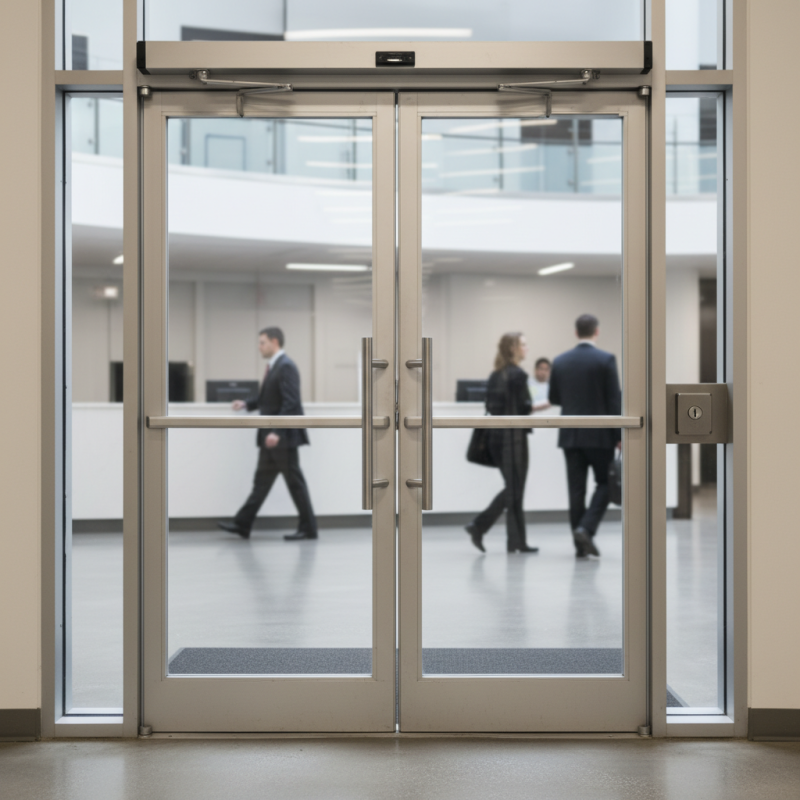
When choosing hardware for high traffic doors, understanding the unique requirements is crucial. High traffic environments, such as airports or shopping malls, demand robust solutions. Durability is a primary concern. Hardware must withstand frequent use and potential wear and tear. This often means selecting materials that resist corrosion and damage.
Additionally, accessibility is key. Hardware should accommodate a wide range of users. Consider push or pull mechanisms. These options enhance ease of use, especially when hands are full. The weight of the door is another factor to consider. Heavier doors often require specific types of hinges and closers to function efficiently.
Reflecting on the potential flaws in your choice is important. Many overlook the need for regular maintenance, which can lead to premature failure. Understanding the volume of traffic can also help in making informed hardware choices. It’s easy to underestimate how much usage will impact door performance over time. Each decision plays a role in ensuring functionality and safety.
| Hardware Type | Material | Durability Rating | Recommended Use | Maintenance Frequency |
|---|---|---|---|---|
| Panic Bars | Stainless Steel | High | Exits, Emergency Doors | Monthly |
| Heavy-Duty Hinges | Brass | Very High | Main Entrances | Quarterly |
| Automatic Door Operators | Aluminum | Moderate | High Traffic Areas | Bi-Annually |
| Access Control Systems | Composite | High | Secure Areas | Annually |
| Door Closers | Steel | High | Commercial Spaces | Semi-Annually |
When selecting hardware for high traffic doors, durability is crucial. High traffic environments, such as hospitals or shopping malls, place significant stress on door hardware. A study by the Door and Hardware Institute indicates that doors experience wear and tear 40% faster in high traffic areas. Choosing the right materials can significantly extend the lifecycle of door hardware.
Stainless steel is often recommended due to its corrosion resistance. It's durable against heavy use and environmental factors. Another option is brass, known for its antimicrobial properties, making it ideal for healthcare settings. However, it may tarnish over time. Consider the finish too; powder-coated finishes can provide extra protection but may require more careful maintenance.
Tips: Regularly inspect door hardware for signs of wear. Addressing issues early can prevent costly replacements. Always assess the specific needs of your environment before purchase. It's essential to avoid assuming that all materials will perform equally under different conditions. Taking the time to evaluate these factors leads to better choices.
When it comes to selecting hardware for high traffic doors, assessing load capacity and performance under stress is crucial. High traffic areas face continuous use, which means the hardware endures significant stress. Understanding the specific load capacity helps in making informed choices. For example, a hinge designed for a specific weight limit may fail if exceeded. Choosing the right materials, such as stainless steel versus plastic, dramatically impacts longevity and functionality.
Another aspect to consider is the door's design and environment. Heavy glass doors require robust hardware to withstand daily use. Factors like temperature changes and humidity can affect performance. Conducting tests or seeking expert recommendations can provide insights into how hardware performs under various conditions.
Choosing the right hardware is not just about immediate needs. It is essential to consider potential future stresses. Questions arise: How will the door function in peak hours? What if it faces unexpected impacts? The planning process should include contemplating these scenarios. Understanding the balance between load capacity and performance can lead to wiser decisions, ensuring durability and reliability over time.
When selecting hardware for high traffic doors, aesthetics and security features are crucial. The look of the hardware should blend seamlessly with the overall design of the building. Choosing a stylish finish can enhance the environment. However, beauty should not sacrifice safety.
Security features must be prioritized. Look for durable materials that resist wear and tear. Heavy-duty locks are essential for high traffic areas. These locks should withstand daily use without losing effectiveness. Consider also the visibility of the hardware. If it looks flimsy, it may invite unwanted attention.
Finding the right balance is challenging. Sometimes, more secure options can be bulkier and less visually appealing. Testing different designs can help you discover what works best. It’s vital to remember that aesthetics can evolve with trends. Regular evaluations of your hardware choices can ensure optimal performance and appearance.
When selecting hardware for high traffic doors, maintenance becomes critical. The longevity of hardware directly influences operational efficiency. Studies show that improper maintenance can decrease hardware lifespan by up to 30%. Regular inspections and timely replacements help avoid costly downtime.
Choosing durable materials is fundamental. Stainless steel or bronze, for instance, resists wear better than other metals. They can withstand thousands of openings without significant degradation. However, even the best hardware needs care. Cleaning and lubricating hinges routinely prevents corrosion and ensures smooth operation.
Tip: Consider a maintenance schedule. Regularly inspect the hardware for signs of wear. Remember, neglecting hardware can lead to larger issues down the line.
Focusing on appropriate usage scenarios enhances resilience. Heavy-duty options might suit facilities with high pedestrian flow. For environments with varying conditions, weatherproof hardware should be a priority. Take into account the unique demands of your space to optimize longevity.
: Understanding unique requirements is crucial for high traffic doors, especially in busy environments.
Doors in high traffic areas face frequent use and potential wear and tear.
Stainless steel is recommended for its corrosion resistance and durability.
These mechanisms make it easier to use doors when hands are full.
Neglecting maintenance can lead to premature failure of door hardware.
Underestimating traffic volume can negatively impact door performance over time.
Many overlook specific environmental needs that affect material performance.
Yes, powder-coated finishes may require careful maintenance but can offer extra protection.
Assuming all materials will perform equally can lead to bad choices.
Regular inspections help identify wear early and prevent costly replacements.
Selecting the right hardware for high traffic doors is crucial for ensuring both functionality and longevity. To effectively determine how to select hardware for high traffic doors, one must first understand the specific requirements these doors impose, including durability and load capacity. Evaluating common hardware options based on their ability to withstand frequent use and performance under stress is essential.
Additionally, considering aesthetics and security features can enhance the overall appeal and safety of the entrance. Finally, regular maintenance and choosing hardware designed for longevity will ensure that the selection remains effective over time. By following these guidelines, one can make informed decisions that meet both practical and aesthetic needs for high-traffic environments.

MX Lock