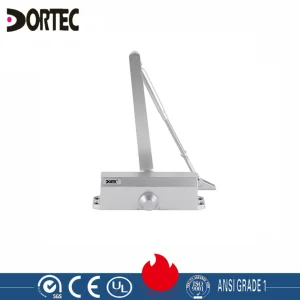
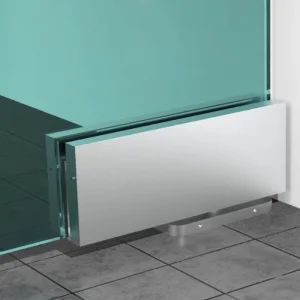
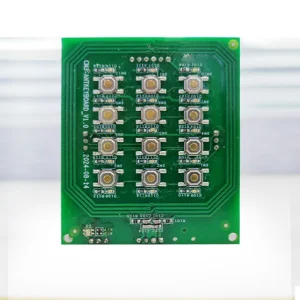
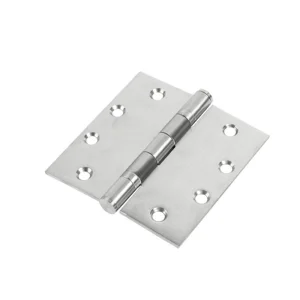
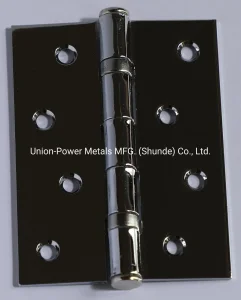
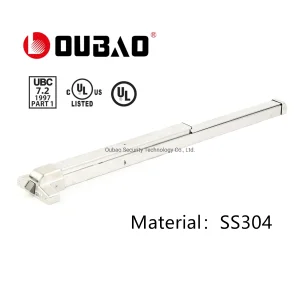
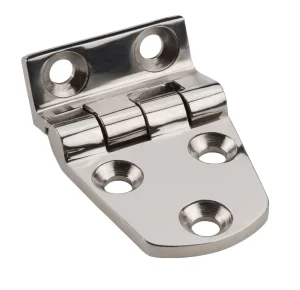
Engineered for durability, precision, and architectural excellence. Browse our primary production lineup designed for commercial, industrial, and high-frequency environments.
The global security sector is experiencing a structural paradigm shift, moving rapidly from passive physical keyways to active, intelligence-driven access points. Biometric locks have emerged as the foundational hardware layer for modern commercial and residential infrastructure. Leveraging distinct physiological identifiers—such as fingerprint patterns, facial geometry, iris recognition, and vascular mapping—biometric locks resolve the long-standing vulnerabilities associated with mechanical keys, physical access cards, and numerical PIN codes. Physical cards can be lost or stolen, and credentials can be shared; biometric markers, conversely, are inherently non-transferable.
This biological uniqueness establishes a robust baseline for high-security areas, satisfying the strict protocols demanded by modern industry frameworks. As enterprise networks adopt "Zero Trust" security architectures, physical access control must align with digital security strategies. Biometric locks provide the necessary physical data logs to achieve true end-to-end user verification. By recording exact identity metadata at the moment of entry, these systems bridge the gap between physical facility control and unified digital threat management.
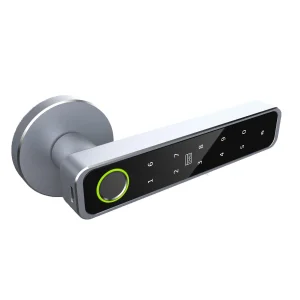
Modern biometric locks are no longer standalone readers isolated from the broader security ecosystem. The integration of advanced microcontrollers allows real-time processing of fingerprint algorithms at the edge, reducing recognition times to under 0.3 seconds. Additionally, the transition from older optical fingerprint sensors to highly advanced capacitive and multispectral imaging sensors has drastically reduced False Acceptance Rates (FAR) and False Rejection Rates (FRR).
Capacitive sensors measure the electrical properties of the skin's ridges, rendering high-resolution, spoof-proof digital maps of the fingerprint. This technology ensures that synthetic replicas or detached finger molds fail authentication, providing a robust defense against physical bypass attempts. Furthermore, the incorporation of Bluetooth Low Energy (BLE), Zigbee, Z-Wave, and Wi-Fi chipsets enables these systems to run cloud-managed operations, allowing facility managers to provision or revoke user rights remotely, execute over-the-air (OTA) firmware updates, and monitor log records on demand.
For global enterprise buyers, purchasing managers, and commercial architectural specifiers, sourcing security hardware is a complex process governed by compliance, building codes, and operational durability. The primary objective is to select equipment that guarantees continuous operation under high-frequency use while meeting the legal safety standards of the destination market.
Architectural hardware must comply with standardized performance criteria before it can be specified for commercial projects. In North America, the American National Standards Institute (ANSI) and the Builders Hardware Manufacturers Association (BHMA) classify locksets into three distinct grades:
In the European and Middle Eastern markets, similar rigorous metrics are enforced via the BS EN 12209 standard for mechanically operated locks and BS EN 14846 for electromechanically operated locks. Sourcing from a factory like Dongguan MX Lock Co., Ltd., which develops systems to meet European Standards (BS EN) and American Standards (ANSI/BHMA), ensures that the products comply with global building regulations, mitigating legal liability and insurance risks.
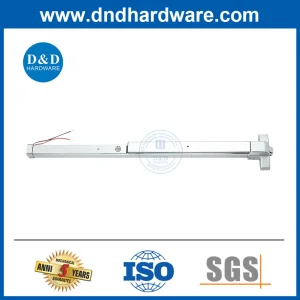
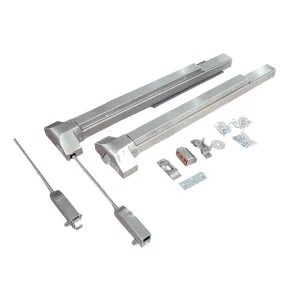
Access control systems must not compromise life safety during emergencies. Heavy-duty commercial biometric locks must be integrated with fire-rated hardware that complies with UL 10C (Positive Pressure Fire Tests of Door Assemblies) or BS EN 1634. In the event of a fire, the latch bolt must remain securely engaged to prevent the spread of fire and toxic smoke, while still allowing egress. Consequently, fail-secure and fail-safe operation characteristics must be carefully calibrated. Emergency escape exits require the installation of certified panic exit devices (such as panic bars) integrated with biometric controllers that instantly release the latch mechanism during alarm events, guaranteeing immediate egress.
Important Compliance Note: All electronic access control systems must be designed to automatically release lock mechanisms upon the activation of fire alarm systems, in accordance with NFPA 101 Life Safety Codes.
How custom biometric systems and high-durability hardware secure diverse commercial, industrial, and institutional properties.
Biometric locks restrict access to operating rooms, pharmaceutical dispensaries, and patient records. Integrating antimicrobial coatings with contactless or rapid fingerprint sensors minimizes cross-contamination while enforcing compliance with HIPAA and hospital security protocols.
Server rooms housing critical digital assets require multi-factor authentication (MFA). Combining biometric verification with mechanical panic exit bars ensures that physical data centers maintain strict regulatory compliance while allowing for emergency egress.
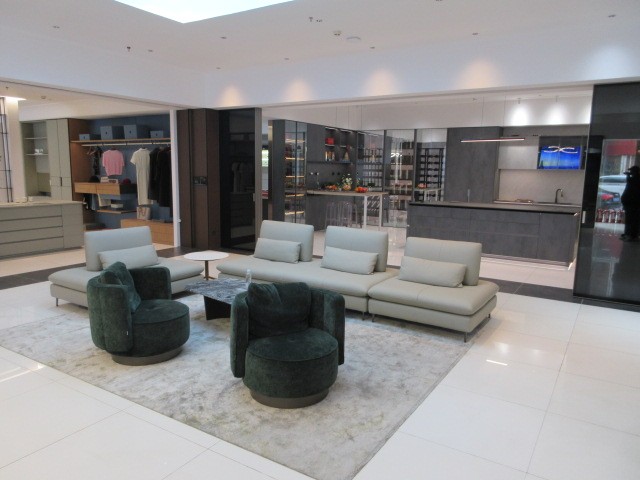
Luxury hotel developments rely on smart lock platforms that support BLE smartphone credentials and fingerprint scanning. Selecting lock systems with premium finishes (PVD, Satin Chrome) ensures a sleek design, while robust interior mortise systems maintain security.
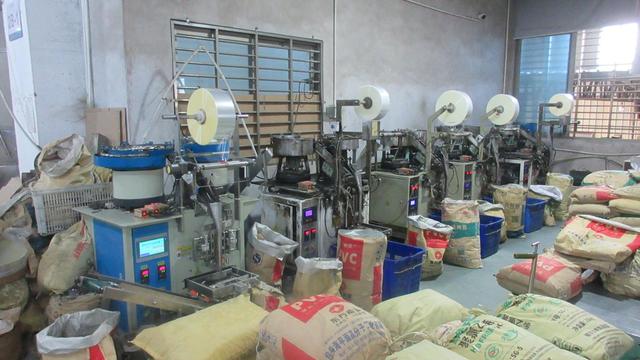
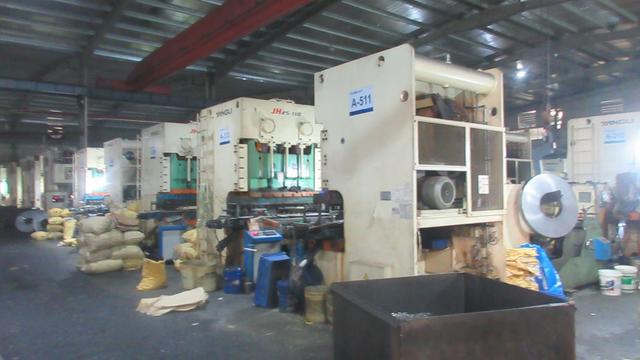
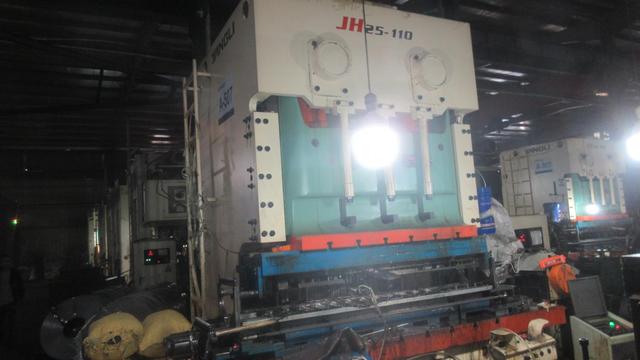
The manufacturing ecosystem of southern China, centered in advanced manufacturing hubs like Dongguan, has transitioned from low-cost assembly to highly automated Industry 4.0 smart manufacturing plants. This shift has established China as the leading hub for high-precision architectural hardware and biometric security lock fabrication globally.
By utilizing CNC machining centers, automated robotic polishing units, and computerized plastic injection molding systems, factories achieve high levels of structural repeatability. In biometric lock production, precision is essential. The lock cylinder, spindle alignment, and biometric reader casing must be engineered to tight tolerances (often within micrometers) to guarantee weatherproofing, prevent forced entry, and maintain structural integrity over millions of cycles.
Dongguan MX Lock Co., Ltd. uses specialized laboratories to subject architectural door hinges, door closers, panic exit devices, and biometric locks to rigorous, long-term testing:
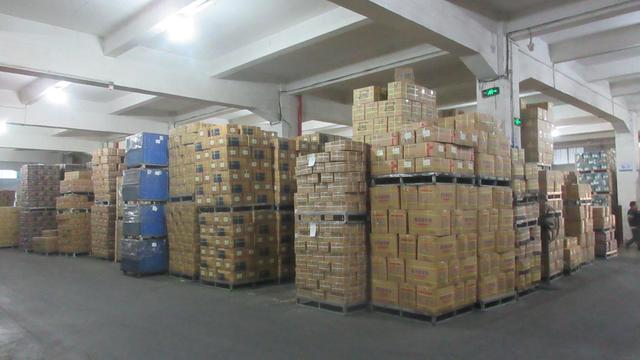
The concentration of metal casting, PCB design, surface finishing, and packaging sub-industries within the Pearl River Delta enables rapid prototyping and short lead times. From raw zinc alloy or stainless steel ingots to finished, retail-ready smart locks, every stage of the supply chain is highly integrated. This structural setup allows factories to easily handle large-volume OEM/ODM projects while maintaining consistent quality control.
With over 17 years of dedicated manufacturing experience, we deliver certified architectural hardware and access control solutions worldwide.
Dongguan MX Lock Co., Ltd. has over 17 years of experience in manufacturing and supplying architectural hardware products for metal doors, wooden doors, and fire doors in China. Our product range includes door hinges, door locks, door handles, door closers, panic exit devices, door stoppers, door bolts, and a full range of door accessories, providing complete door opening and access solutions.
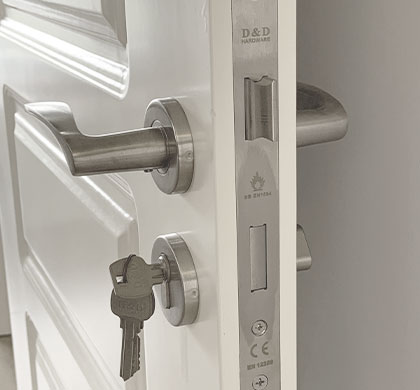
All products are designed and tested to meet stringent international standards, including European Standards (BS EN), American Standards (ANSI), CE, and BHMA certifications. Our hardware solutions are widely used in education, healthcare, hotels, government facilities, apartment buildings, and various commercial applications, ensuring safety, durability, and reliable performance.
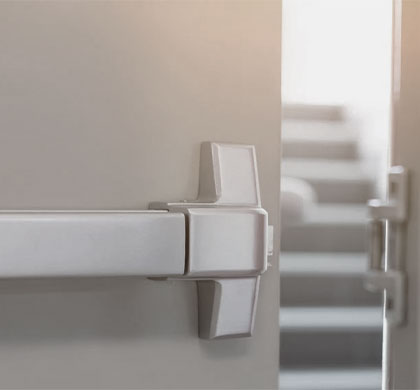
Dongguan MX Lock Co., Ltd. has established long-term partnerships with customers across Europe, the Middle East, America, and Asia. We are recognized for our strong product certification, professional expertise, strict quality assurance, competitive pricing, customization capabilities, and responsive customer service.
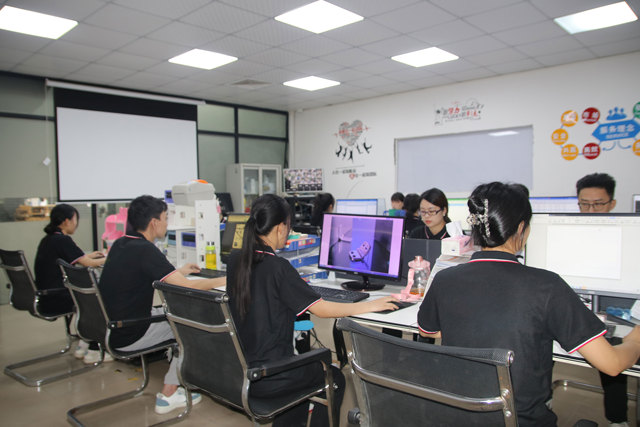
With extensive industry knowledge and a highly qualified team, we are committed to understanding technical requirements and delivering tailored solutions that best meet our clients’ needs. Our goal is to build long-term, mutually beneficial partnerships and continue providing high-quality door hardware solutions worldwide.


Technical answers to help engineers, builders, and security system integrators make informed decisions.
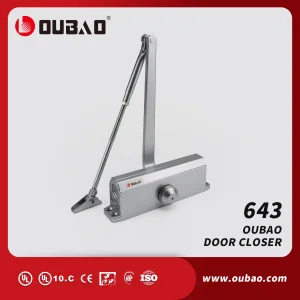
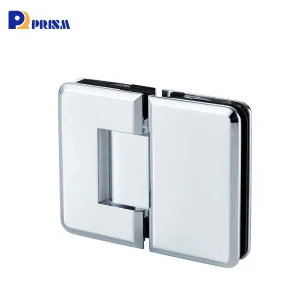
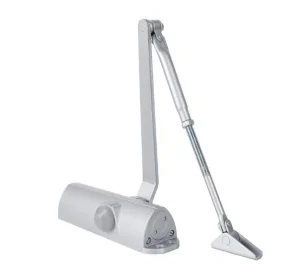
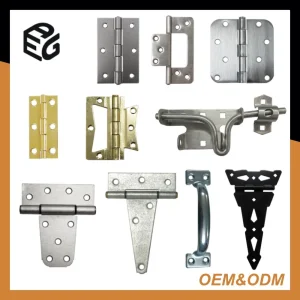
Explore our full line of door solutions, from commercial hinges and door closers to panic bars and keyless smart entry locks.
 MX Lock